


Labour Market Trends, Consumer Demand Signals, and Headcount Strategy for Direct Sales Leaders
Navigating the UK’s B2C sales landscape requires a clear understanding of both workforce availability and consumer spending behaviour. As we move through the third quarter, macroeconomic data points to an encouraging alignment for employers: candidate availability across the UK labour market is increasing, while consumer confidence, advertising spend, and retail resilience continue to improve.
However, securing top-performing sales talent remains competitive. While broader candidate numbers are up, proven closers in consultative and field sales sectors still have options. Businesses that combine strong lead generation with a decisive hiring process are best positioned to capture market share entering Q4.
Executive Key Takeaway: Candidate availability is rising alongside increased consumer spending, making Q3 an ideal window to scale your sales force. Partner with Citrus Connect to source top sales talent and secure proven B2C performers before Q4.
1. The Macroeconomic Landscape & Flexible Workforce
Beyond immediate recruitment metrics, broader economic indicators highlight a resilient UK consumer base and an established appetite for flexible working models.
- Retail Spending Growth: UK retail sales volumes increased 1.0% in June, following a 1.2% increase in May, outperforming broader market expectations. Despite wider economic uncertainty, consumer spending on physical goods remains steady.
- Digital Lead Channels: Online retailers recorded a 4.4% increase in sales during June, highlighting continued consumer engagement through digital platforms. For sales organisations, this underscores the importance of having sufficient field capacity to respond rapidly to inbound online enquiries.
- A Flexible & Entrepreneurial Workforce: Official UK Government Business Population Estimates confirm there are 5.7 million private sector businesses, with 75% operating without employees. Alongside this, Labour Force Survey data records approximately 4.5 million self-employed workers. Self-employment remains a vital pillar of the UK economy, offering a deep talent pool of individuals accustomed to managing their own schedules and driving independent revenue. Exploring how to hire self-employed sales talent provides an agile path to scaling revenue capacity.
2. UK Labour Market Snapshot
The latest employment data provides sales directors and business owners with a clearer picture of talent supply and compensation expectations across the UK.
| Metric | Key Trend & Market Reality | External Data Source |
| Candidate Availability | Rising across overall UK sectors | KPMG & REC UK Report on Jobs |
| Flexible & Temporary Hiring | Fastest growth rate in over 3 years | REC Labour Market Analysis |
| Permanent Starting Salaries | Fastest increase in 5 months | Reuters / S&P Global PMI Survey |
Candidate Availability Is Increasing
According to the latest KPMG & REC UK Report on Jobs, candidate availability across the overall labour market continued to rise through July. Driven by redundancies and softer hiring in non-sales sectors, employers currently have access to a larger pool of talent than earlier this year. Understanding these broader shifts is key to navigating the hiring reality and market stabilisation effectively.
Flexible Hiring Is Accelerating
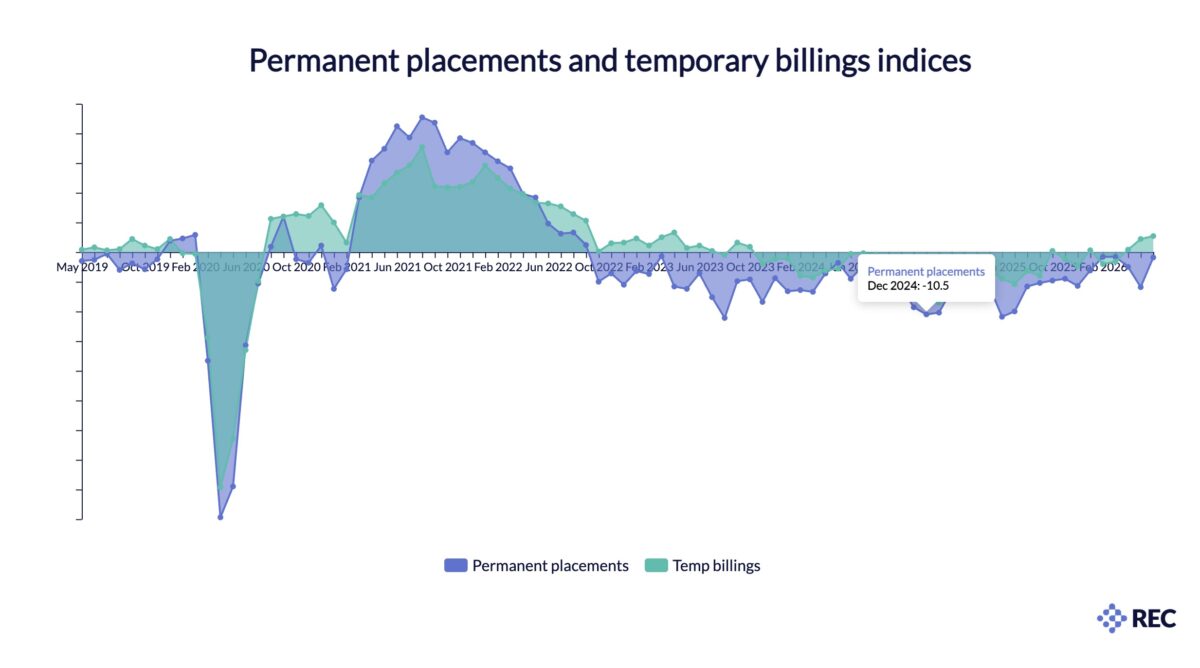
Temporary and flexible hiring activity increased at its fastest rate in more than three years, according to the REC Labour Market Analysis. The data reflects a continued preference among UK employers for flexible staffing models to manage operational risk while maintaining revenue capacity during fluctuating market conditions.
Starting Salaries Continue to Rise
Despite increased candidate availability, permanent starting salaries grew at their fastest pace in five months as highlighted by the Reuters / S&P Global PMI Survey. Employers continue to compete for candidates with in-demand skills by offering stronger starting packages—reinforcing the need for direct sales businesses to present transparent earning structures.
3. Consumer & Commercial Demand Signals
A growing sales team requires active customer demand. Current commercial indicators suggest consumers remain engaged and receptive to consultative B2C offerings.
- Consumer Confidence Rebounds: UK consumer confidence has reached its highest level since January as inflationary pressures continue to ease. Improving confidence directly supports higher conversion rates on considered, higher-value B2C purchases.
- Record Marketing Investment: UK advertising investment reached £11.7 billion in Q1 (up 9.3% year-on-year) according to the Advertising Association / WARC Expenditure Report. Businesses are investing heavily to generate customer demand. For organisations relying on consultative sales, maintaining adequate headcount is critical to ensure pre-qualified leads are converted into revenue.
- The “Renovate, Don’t Move” Trend: Over 53% of UK homeowners state they would rather improve their current property than move, according to the Tradesman Saver Homeowner Survey. This ongoing trend continues to support solid demand across home improvements, kitchen makeovers, window furnishings, conservatory roofing, and renewable energy upgrades.
- Demographic Tailwinds in Healthcare & Mobility: Around 1 in 5 people in the UK are aged 65 or over. Long-term demographic trends continue to drive sustained, non-discretionary demand for independent living products, rise-and-recline technology, and home comfort solutions.
4. Sector-by-Sector Breakdown
| Sector Focus | Key Consumer Growth Driver | Market Reality & Hiring Impact |
| Home Improvement & Energy | 53% choosing to renovate over move | High moving costs mean homeowners invest in existing properties. Pre-booked design appointments see high first-visit close rates. |
| Healthcare & Mobility | 1 in 5 UK adults aged 65+ | Unaffected by economic seasonality. Essential comfort and mobility products see steady, non-discretionary year-round demand. |
| Wills & Estate Planning | 56% of UK adults lack a valid Will | Consultative, home-based financial and estate planning remains an untapped market where consumers seek trusted face-to-face guidance. |
5. Citrus Connect Frontline Insights
While macroeconomic reports tell part of the story, our recruitment consultants speak with sales professionals and employers every single day. Here are the core trends we are seeing across the frontline B2C sales market:
Self-Employment Remains Attractive
Experienced B2C sales professionals continue to show strong interest in commission-based and self-employed opportunities where earning potential, product training, and business support are clearly communicated from the outset. Transitioning to transparent commission-only models builds immediate trust with top performers.
Hiring Speed Influences Outcomes
Employers securing the strongest candidates keep momentum throughout the recruitment process. Delays between interview stages significantly increase the likelihood of high-performing candidates accepting alternative offers.
Lead Quality Is a Primary Consideration
One of the most frequent questions candidates ask is how leads are generated. Businesses that clearly explain their marketing strategy, appointment quality, and customer acquisition process create greater confidence during interviews.
6. The Sales Director’s Action Plan
To capitalise on current market conditions entering the final quarters of the year, sales leaders should implement three key actions:
- Align Sales Capacity with Marketing Output: Review whether your field sales headcount matches your current volume of marketing activity and customer enquiries. Ensuring leads are followed up promptly maximises ROI on advertising spend.
- Compress Your Recruitment Timeline: Audit your hiring process to remove unnecessary delays. A swift, professional interview process maintains candidate engagement and increases offer acceptance rates.
- Provide Complete Transparency: Clearly communicate commission structures, field training, lead generation mechanisms, and territory support from the first conversation. Candidates value clarity and engage more deeply when they see a structured pathway to success.
The Bottom Line
The current market presents a strategic window of opportunity for sales employers. Candidate availability is improving, consumer demand remains resilient across key sectors, and businesses continue investing in customer acquisition.
Employers that combine a compelling commercial opportunity with a decisive hiring process are best positioned to secure top-tier sales talent while market conditions remain favourable.
Ready to scale your sales team with top-tier talent?
Book a hiring strategy consultation with Citrus Connect today to discover how our specialist recruitment team connects leading businesses with proven sales professionals across the UK.