

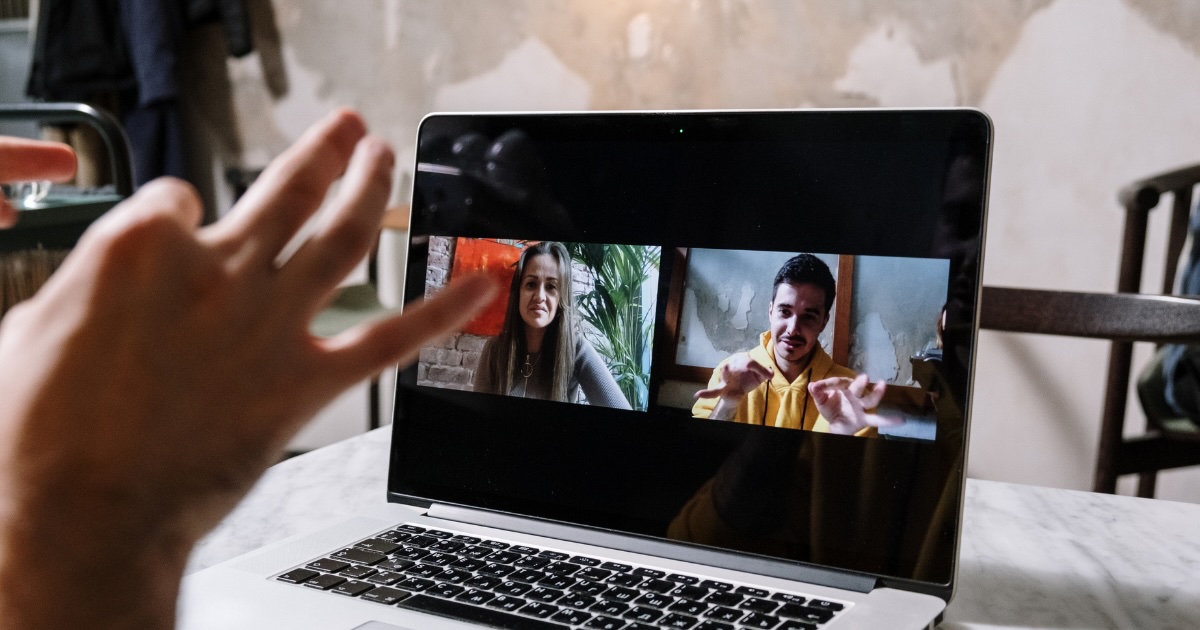
Hybrid working has transitioned from a temporary operational fix into a permanent operational model across the UK. Splitting time between the office and working from home offers employees unprecedented flexibility, but it also presents unique leadership challenges.
Building a unified team culture when staff are physically separated requires deliberate strategy. A “one-size-fits-all” approach does not work; managing modern hybrid teams demands personalised communication, creative engagement, and a culture centred on trust.
Key Takeaway for Employers: Sustainable hybrid performance relies on empathetic leadership, equitable social inclusion, and psychological safety. Tailoring workplace flexibility to individual team members directly strengthens employee engagement and retention. Partner with our sales talent specialists to scale your hybrid team.
5 Strategies to Drive Hybrid Team Collaboration
Cultivating an energetic, unified workforce across remote and in-office environments requires a deliberate cultural shift. Here are five practical ways leaders can maximise hybrid teamwork:
1. Lead with Empathy and Flexible Boundaries
Leadership sets the cultural tone. Team members take operational and behavioural cues directly from their line managers.
- Demonstrate flexible time-shifting: Publicly support staff taking time out for medical appointments or family commitments to normalise healthy work-life integration.
- Conduct regular 1-on-1 check-ins: Hold frequent individual catch-ups via video call or in-person to assess workload stress and personal well-being.
- Prioritise open dialogue: Ensure employees feel comfortable raising operational concerns early—a core tenet of the importance of ethical leadership in modern teams.
2. Design Inclusive Social Moments
Hybrid models can accidentally isolate remote workers if office-based staff receive exclusive perks or spontaneous social contact.
- Host combined lunch breaks: Schedule regular hybrid coffee catch-ups where remote workers receive delivered vouchers while office teams gather in person.
- Maintain equal visibility: Ensure remote team members have equal opportunities to participate in informal discussions and recognition.
3. Schedule Interactive Team Building & Employee-Led Activities
Organising structured social challenges breaks up routine work, improves cross-departmental communication, and boosts workplace morale.
- Run regular team quizzes: At Citrus Connect, our recurring team quiz nights significantly improved cross-team communication and mutual understanding.
- Empower team ownership: Allow staff to suggest and vote on social activities or fitness challenges rather than imposing top-down mandates.
- Align with modern motivations: Building a supportive company culture directly appeals to professionals who are looking for more than just money in their careers.
4. Standardise Communication Channels
Miscommunication is one of the biggest risks in a dispersed workforce. Implementing clear digital platforms prevents information silos.
- Centralise communication tools: Establish dedicated platforms (e.g., Slack or Microsoft Teams) for project updates, quick questions, and social chat.
- Maintain predictable meeting schedules: Run regular team huddles alongside structured individual catch-ups to keep everyone aligned on key objectives.
5. Introduce Monthly Innovation “Pitch Days”
Give your team a platform to contribute fresh ideas regarding internal processes, sales techniques, or team dynamics.
- Structure by topic: Set a monthly focus theme, such as “Improving Hybrid Onboarding” or “Streamlining Client Handoffs.”
- Allow anonymous submissions: Enable staff to submit ideas anonymously if they prefer, lowering the friction to participate.
- Incentivise participation: Offer lighthearted rewards for winning ideas, such as a half-day off or a wellness voucher.
Psychological Safety: The Foundation of Hybrid Culture
Creating an effective hybrid team requires building an environment where staff feel secure expressing ideas and flagging challenges without fear of reprisal.
According to research published in the Harvard Business Review on psychological safety in hybrid workplaces:
“Psychological safety—the belief that one can speak up without risk of punishment or humiliation—has been well established as a critical driver of high-quality decision making, healthy group dynamics and interpersonal relationships, greater innovation, and more effective execution in organizations.”
When leaders combine structured communication tools with authentic empathy, they establish the foundation for long-term staff loyalty—a key factor outlined in our guide on retention secrets and core business values.
Build a High-Performing, Flexible Sales Team
Developing a connected hybrid culture starts with hiring professionals who thrive in flexible, trust-based environments.
Looking to expand your sales workforce?
Don’t leave your hybrid hiring strategy to chance. Start a conversation with Citrus Connect to discover how our sales recruitment specialists can help you attract and retain top talent.



 CV DROP OFF ⮁