


Candidate availability had been falling for 12 months by February 2022, reflecting the labour shortages facing businesses across the UK. Recruiters were continuing to fill high numbers of vacancies, but strong demand for workers and a limited supply of candidates were making recruitment increasingly competitive.
For businesses, attracting the right people meant thinking carefully about how roles were positioned, what candidates were looking for and how recruitment supported their wider growth plans.
Here are some of the key recruitment trends we saw in February 2022.
What Was Happening in the UK Recruitment Market?
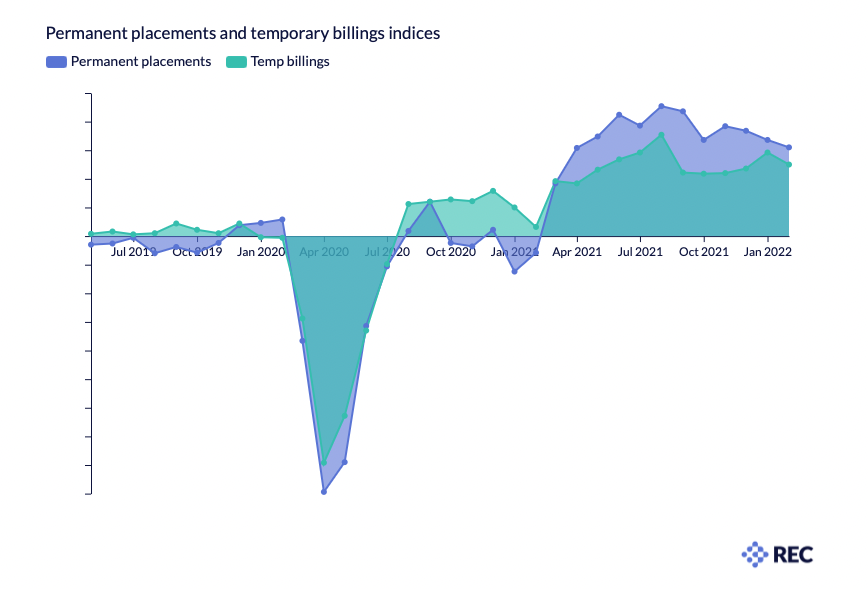
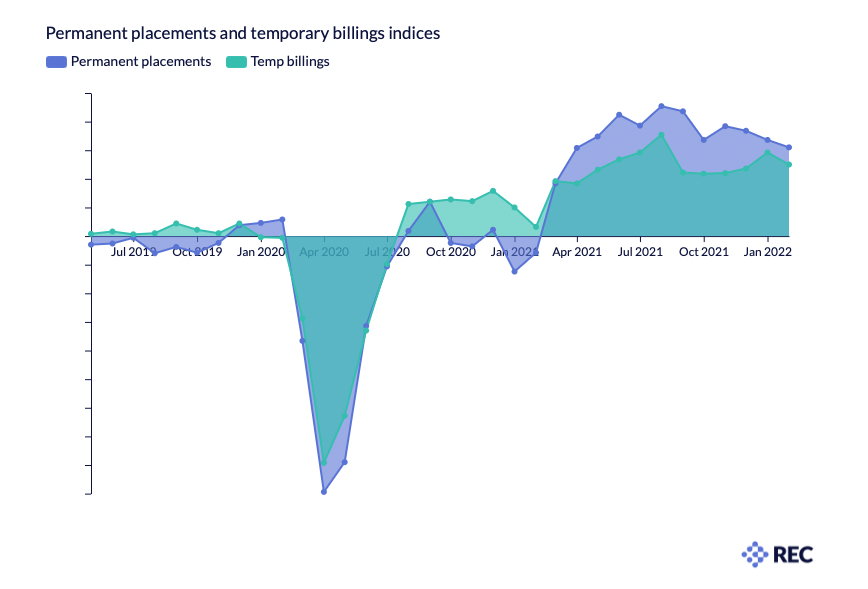
According to the KPMG and REC UK Report on Jobs, recruitment consultancies recorded another significant increase in hiring activity during February 2022. However, candidate shortages were making vacancies more difficult to fill.
Three trends stood out:
- Permanent placements and temporary billings continued to rise, but at slower rates
- Candidate availability fell more sharply and pay pressures intensified
- Vacancy growth accelerated
Candidate Supply Fell at the Quickest Rate for Three Months
At Citrus Connect, we were also experiencing a decline in candidate availability. Combined with strong demand for staff, this was putting further upward pressure on the earning potential available across direct sales roles.
The REC reported that overall candidate availability fell at its sharpest rate since November 2021, while starting salaries for permanent roles continued to rise.
With fewer candidates available, businesses couldn’t afford to overlook capable people simply because they didn’t fit a conventional profile. Looking more closely at a candidate’s skills, mindset and potential could help employers consider a broader talent pool.
Regional and Sector Differences Continued
The picture wasn’t identical across the country. Permanent staff appointments grew more slowly across most monitored English regions, with the North of England the exception. Demand remained historically strong across both the public and private sectors, with the greatest demand recorded for permanent private-sector staff.

7 Recruitment Trends We Were Watching in 2022
Against that backdrop, several recruitment trends were becoming increasingly important for employers and candidates.
1. A Candidate-Driven Market
With fewer available candidates and strong demand for workers, applicants had greater choice over the opportunities they pursued. Salary remained important, but employers also needed to consider benefits, flexibility, progression and what made their opportunity worth choosing.
The market has continued to evolve since then, with businesses having to become more responsive to changing workforce expectations. Our Recruitment Trends guide explores how agility and flexibility are shaping recruitment today.
2. More Selective Applications
More vacancies didn’t necessarily mean candidates would apply for more roles. Greater choice allowed people to be more considered about the opportunities they pursued and whether a position aligned with what they wanted from their career.
For candidates, that meant thinking beyond the job title or salary and considering what success looks like as a sales professional, from earning potential and progression to greater control over their career.
For employers, it meant communicating those opportunities clearly rather than relying on the vacancy itself to generate interest.
3. Diversity, Equity and Inclusion
Diversity and inclusion were becoming increasingly important considerations in recruitment and workplace strategy.
McKinsey’s Diversity Wins research found an association between greater diversity at executive level and financial outperformance. In its 2019 dataset, companies in the top quartile for ethnic and cultural diversity on executive teams were 36% more likely to outperform those in the fourth quartile on profitability.
Recruitment processes can support a broader talent pool by looking beyond someone’s previous job titles and considering what they could bring to the role. Taking a mindset-first approach to hiring can help employers consider qualities such as ambition, resilience and adaptability alongside previous experience.
4. Remote Recruitment Was Here to Stay
Virtual recruitment had become commonplace following the pandemic, giving employers and recruiters another way to meet candidates without travel or geography becoming an immediate barrier.
But virtual recruitment didn’t necessarily mean abandoning face-to-face meetings altogether. Choosing between in-person and virtual interviews depends on the role, candidate and stage of the recruitment process.
Both approaches can play a part in making recruitment more efficient while still giving employers and candidates an opportunity to decide whether they’re the right fit.

5. Employer Brand Was Becoming More Important
With candidates presented with more choice, businesses needed to give people a reason to want to work for them.
Salary and benefits were only part of that. Candidates could also consider a company’s values, purpose, working environment and how existing employees were treated.
That makes workplace culture part of the recruitment process. What a business communicates during hiring needs to reflect the experience people have once they join.
6. Longer Notice Periods
Longer notice periods could add further time to an already competitive hiring process, particularly when businesses needed to fill a vacancy quickly.
That made planning ahead increasingly important. Leaving recruitment until a vacancy became urgent could put additional pressure on the process and increase the likelihood of making costly hiring mistakes.
Employers needed to consider recruitment timelines as part of their wider workforce planning rather than waiting until an immediate gap appeared.
7. Retention Needed More Attention
In a market where candidates had more options, attracting people was only half the challenge. Businesses also needed to understand what would make their strongest performers stay.
Pay could influence someone’s decision, but so could progression, recognition, culture, management and the opportunity to develop.
For businesses planning to grow, this meant recruitment and retention couldn’t be treated as separate issues. Thinking about how to future-proof a sales team meant considering what happens after somebody is hired as well as how they are recruited in the first place.
What Did This Mean for Employers?
The February 2022 figures showed just how competitive recruitment had become. Businesses weren’t simply trying to fill vacancies. They were competing for a limited pool of talent while also facing rising pay expectations and greater pressure to retain the people they already had.
It meant recruitment needed to become part of the wider growth strategy. How roles were positioned, how candidates were assessed and what happened after someone joined could all influence whether a business was able to build and retain the team it needed.
Those fundamentals remain just as important for businesses planning their next stage of growth. If you’re looking to build a high-performing sales team, Citrus Connect can help you find people with the skills, mindset and potential to make an impact.
Ready to discuss what your business needs? Book a call with our team.
Wishing you a restful weekend.
Best Wishes,


Frequently Asked Questions
Employers need to look beyond salary alone. Clear earning potential, career progression, workplace culture and a straightforward recruitment process can all influence whether a candidate chooses one opportunity over another.
Retention starts with understanding why people stay as well as why they leave. Competitive earning potential, progression, recognition, strong management and a workplace culture that reflects what was promised during recruitment can all contribute to retaining sales staff.
A sales recruitment agency can support businesses that need to grow their team, reach candidates outside their existing network or recruit for roles that are proving difficult to fill. Specialist recruiters can also help with role positioning, candidate screening and identifying people suited to the opportunity.