


Autumn has most definitely arrived. As we settle into our comfy homes with roaring fires, now isn’t the time to get too comfortable. In the recruitment market, businesses need to stay sharp and understand what candidates really want and need.
Job vacancies are at an all-time high, with many businesses looking to scale at the same time and facing immediate recruitment needs. Competition for the right people is growing, making it even more important to understand what’s happening across the UK recruitment market.
September Job Vacancy Insights
According to the REC’s September 2021 Jobs Recovery Tracker:
- In the week of 13–19 September, there were 1.90 million active job adverts in the UK, a new record high.
- Around 223,000 new job adverts were posted during the same week, the second-highest weekly figure since data collection began.
- Every upper-tier local authority in the UK recorded at least a marginal increase in active job postings.
- Four of the UK’s top ten hiring hotspots were in Scotland.
With vacancies continuing to rise, businesses aren’t simply competing to fill roles. They need to find the right people who can become valuable members of their teams and support their long-term growth.

What Makes an Ideal Team Player?
As job adverts and vacancies rise and businesses look to scale, employers don’t have the time or resources to make the wrong hire. Candidates are looking for companies where they can progress and feel valued, while employers are looking for their ideal team players to help grow their businesses.
Whether you’re the interviewer or the interviewee, it’s worth asking yourself: would you hire you? Would you want to work with you?
Working in recruitment, I’ve read countless books about hiring and what it takes to build a strong, high-performing team. One of the best, by far, is Patrick Lencioni’s The Ideal Team Player.
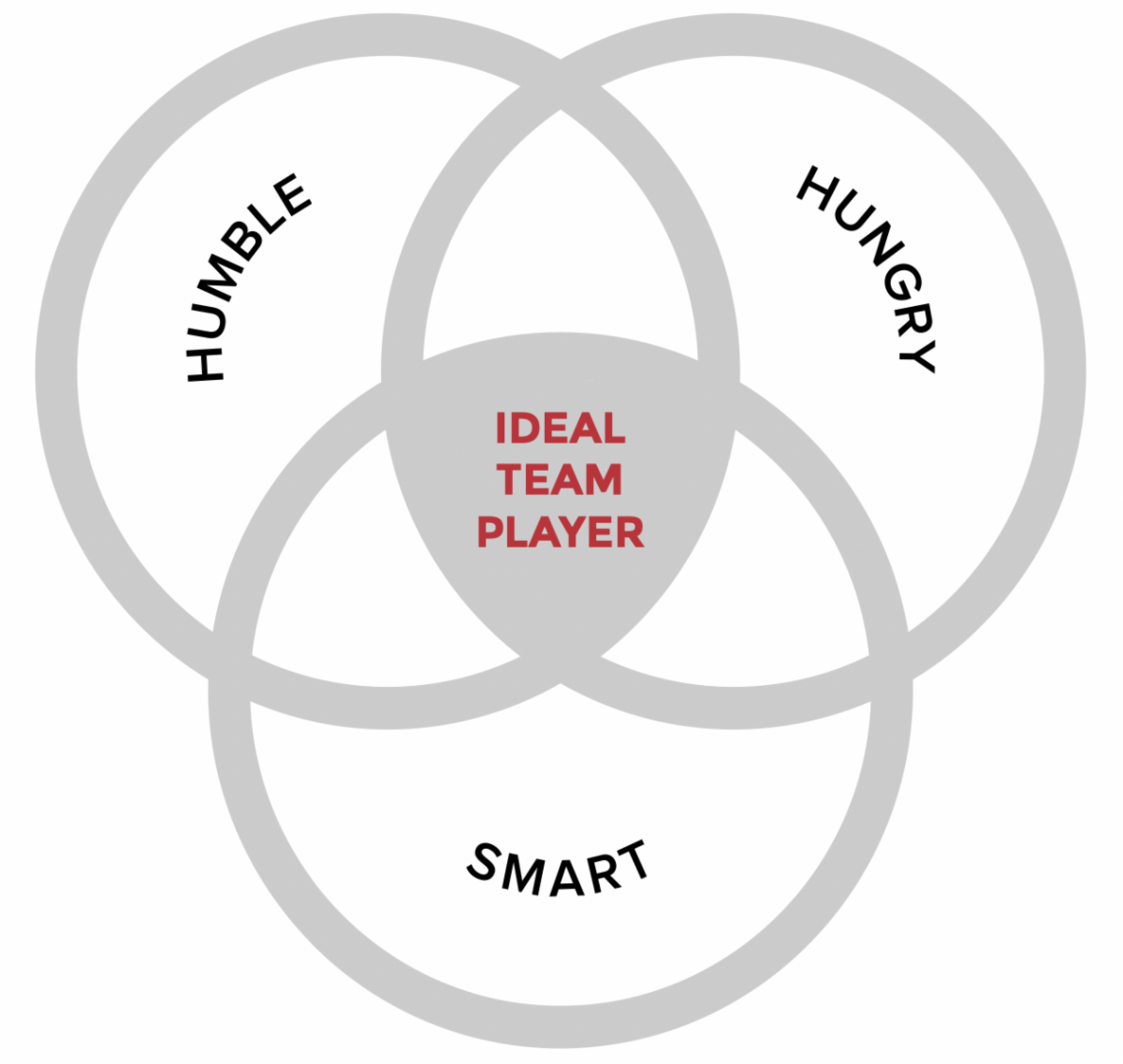
Lencioni identifies three essential virtues of an ideal team player: humility, hunger and smarts. These aren’t necessarily inherent traits. People can develop and strengthen them through life experiences, their careers and personal development.
Humility
Humility is perhaps the most important of the three. Great team players don’t let ego or status get in the way. They’re quick to recognise the contributions of others, don’t seek attention for themselves and define success collectively rather than individually.
Without humility, it becomes much harder to be vulnerable, build trust and have honest conversations as a team.
Hunger.
Hungry people are always looking for more: more to do, more to learn and more responsibility.
They rarely need to be pushed to work harder because they’re self-motivated and diligent. They’re already thinking about the next step, how they can improve and where the next opportunity might come from.
Smarts.
In the context of teamwork, being smart isn’t about intellectual ability. It’s about understanding people.
Smart team players have good common sense about the people around them. They understand what’s happening within the group and know how to work effectively with others. They ask good questions, listen to what others are saying and stay engaged in conversations.

How Can You Identify the Right Team Player?
All three attributes are important. When even one is missing, building an effective team can become much more difficult. Looking beyond experience and understanding what skills to look for when screening candidates can help employers make more informed hiring decisions.
Lencioni recommends several practical interviewing techniques that can help employers identify the right people:
- Don’t be generic. Ask specific questions about the behaviours and attributes you’re looking for.
- Debrief each interview as a team. Speak to the other interviewers about their observations after meeting a candidate.
- Consider interactive group interviews. These can give you a better idea of how someone behaves around other people in a more realistic environment.
- Ask candidates to do some real work. Give people an opportunity to show how they’d perform in a real-world situation.
- Don’t ignore your hunches. If you have doubts about someone’s humility, hunger or people smarts, explore them further before making a decision.
Finding the right skills and experience matters, but successful recruitment is also about understanding the attitudes, behaviours and motivations behind the CV.
WHAT’S AN EMPLOYEE-PRENEUR?
It’s evident that the people who succeed during times of change are often the ones who can pivot. They’re agile, versatile and adaptable.
Whether you work for a company, lead a team or own the business, there’s one type of person almost everyone wants to work with: someone with an employeepreneur mindset.

What Does an Employee-preneur Look Like in Practice?
An employee-preneur brings an entrepreneurial mindset to their role. Rather than simply completing what’s written in their job description, they take greater ownership of their contribution to the business.
An employee-preneur:
- Strives to contribute beyond the basic requirements of their job description.
- Understands the company’s mission and reflects it in how they work.
- Willingly goes above and beyond what’s expected.
- Supports the people and leaders around them.
- Treats the company’s goals as their own and takes accountability for their contribution to its performance.
- Doesn’t just ask what they need to do to succeed. They think about how they can help others succeed too.
Becoming an employee-preneur doesn’t require any particular training. It’s a mindset of this is my company, combined with a positive and tenacious approach to work.
Final Thoughts
So, it’s time to take stock. What do you want from your work or your team and how does that align with your wider goals?
If you’re thinking about your own career, consider the type of environment where you can take ownership, contribute and grow. If you’re ready for a new challenge, you can explore our latest sales jobs and find an opportunity that suits your ambitions.
And if you’re looking at your team, think about the qualities you need from the people around you. Skills and experience matter, but so do attitude, accountability and the willingness to contribute to something bigger. If you’re looking for people with that mindset, find out how Citrus Connect can help you build your sales team.
And as we settle into autumn, it’s a good opportunity to look inwards and reflect. Are you an ideal team player? Would you hire you? How does this come across in an interview? Would you want to work with you or for you?
Trust me, if you’re honest with yourself, the answers might surprise you, as they did me.
Wishing you a productive and reflective October as we use these next few months to set the tone for next year and beyond.